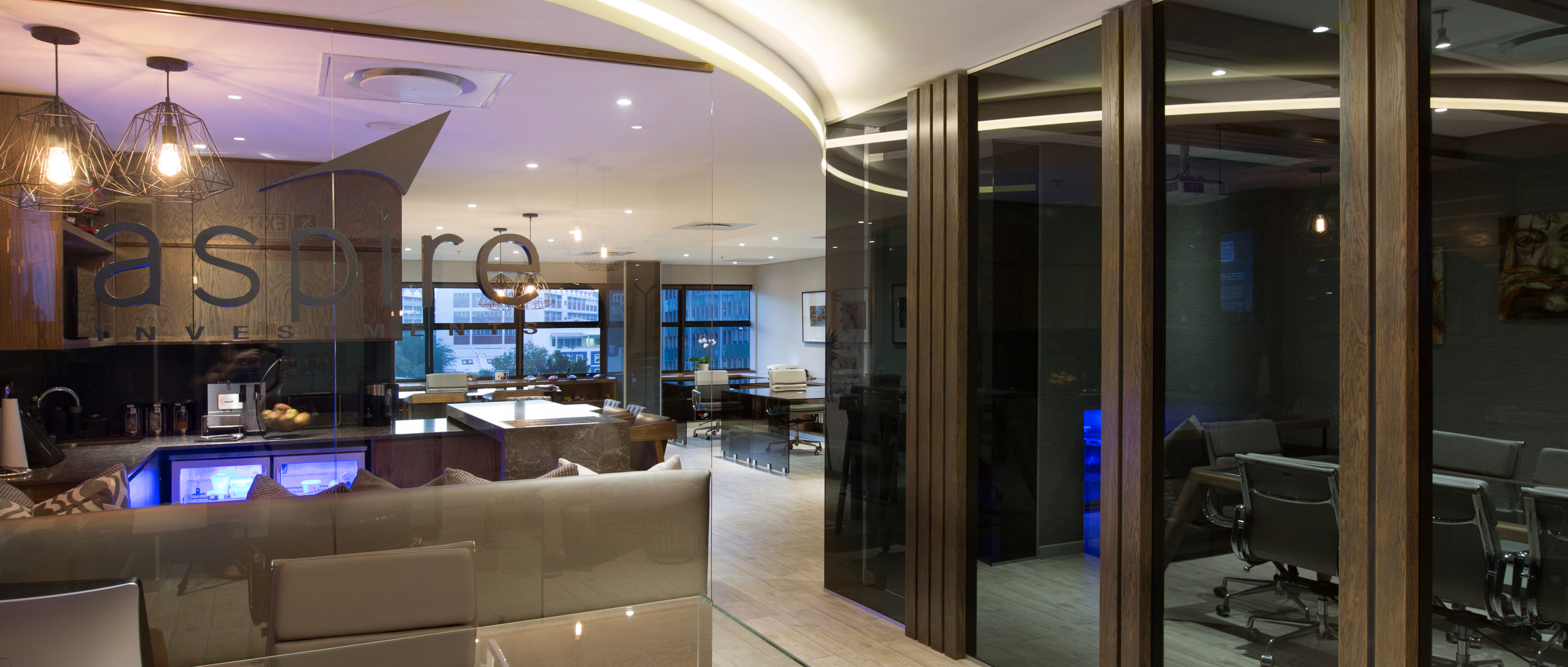
Commercial interior design and decorating
Workplaces and hospitality interiors that support how a team actually works and read as your business rather than a catalogue.
The studio is residential first, and says so plainly. Commercial work is taken selectively, for clients who want the same level of personal involvement on a workplace or hospitality interior that they would get on a private home.
As with residential, the brief divides into design and decorating. Design deals with how people move through the space across a working day, and with the planning, services and specification that follow from that. Decorating deals with furniture, finish and the detail that makes an office feel considered rather than issued.
Completed commercial work is the Aspire Offices turnkey project in Cape Town, and hospitality work extending to the refurbishment of five-star game lodges in Botswana. One office and one lodge group, said plainly, rather than a fitout practice implied.
Commercial interior design
A commercial brief starts from circulation and use. How many people, moving where, at what times of day, needing what degree of quiet. Planning, acoustics, lighting and services follow from that, and the brand sits on top of a plan that already works rather than being asked to rescue one that does not.
Specification carries more weight here than in a home. Finishes have to survive daily traffic and a cleaning regime, ironmongery has to keep working, and the maintenance cost of a material over ten years matters as much as how it looks on handover day.
The studio usually sits alongside an existing professional team, taking responsibility for the interior specification, procurement and site quality control. Phasing, out-of-hours installation and staged handover are normal where a business has to keep trading through the work.
- Workplace
- Circulation, acoustics and finishes that hold up to daily use.
- Hospitality
- Five-star lodge refurbishment, guest suites and public areas.
- Live environments
- Phasing and out-of-hours work where trading cannot stop.
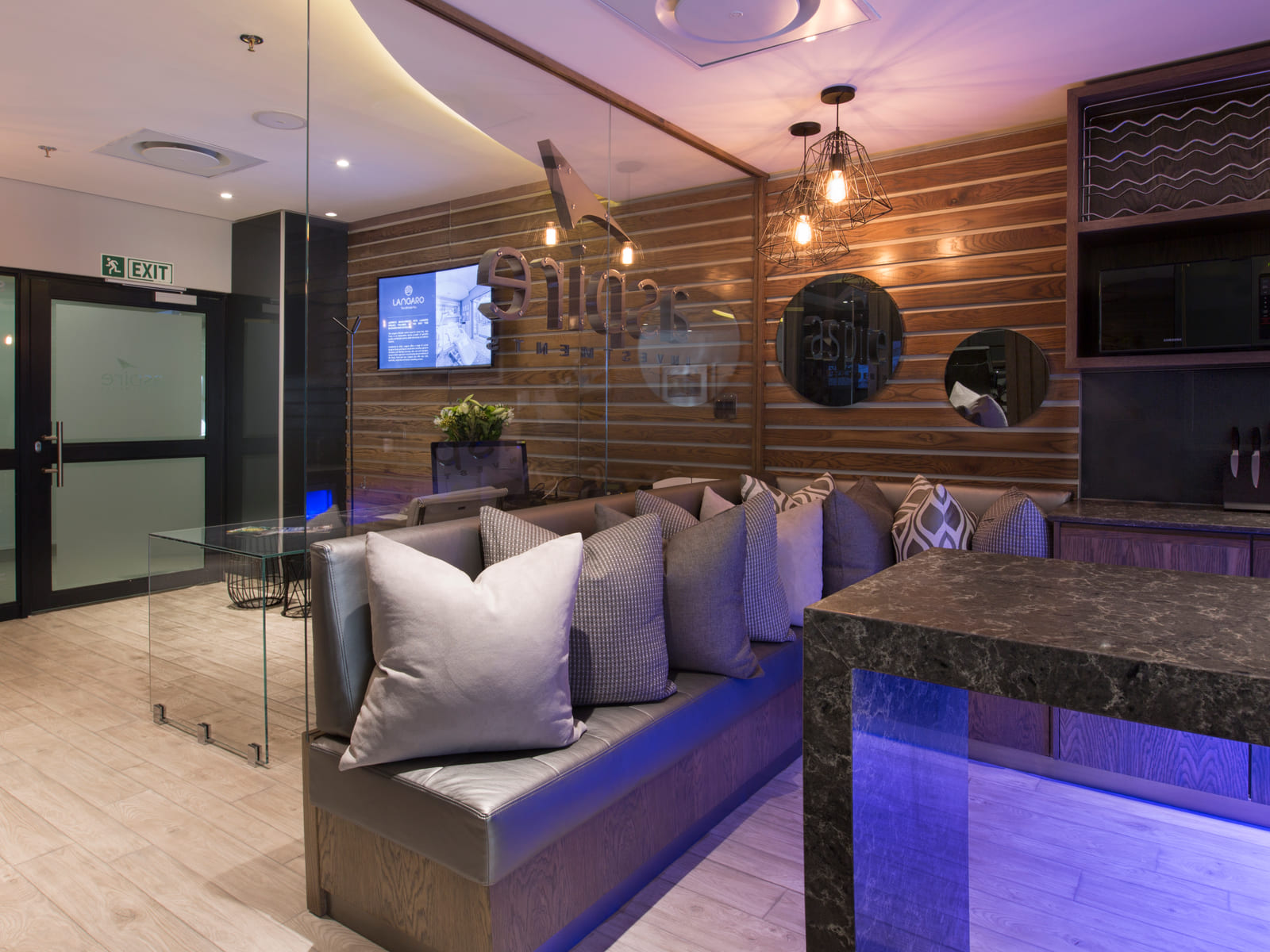
Commercial decorating and decor
Decorating a commercial interior is the difference between a compliant office and one people are glad to walk into. Furniture chosen for how long somebody sits in it, art that belongs to the business rather than filling a wall, and lighting warmed away from the flat overhead grid that most workplaces settle for.
It is also the fastest route to a visible change. Where the plan and services are sound, reworking furniture, finishes, lighting and art transforms how a space reads without taking the business offline for a build programme.
Brand comes in here, handled with restraint. The intention is an interior that is recognisably yours to anyone who knows the company, without reading as a reception-desk logo exercise.
- Furniture
- Specified for daily hours of use, not for the photograph.
- Art and finish
- Commissioned and selected pieces rather than wall filler.
- Fast turnaround
- Visible change without taking the space out of service.
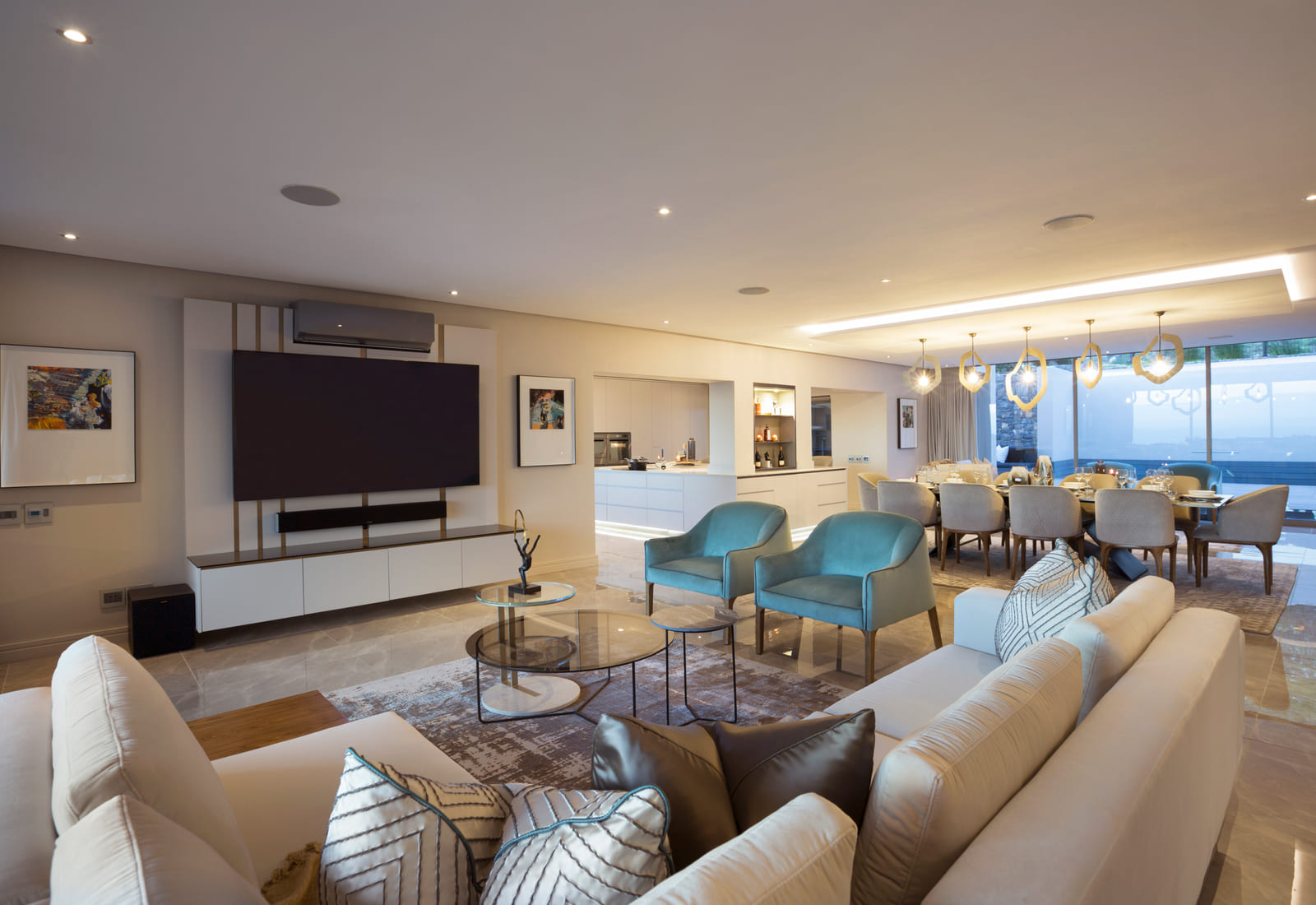
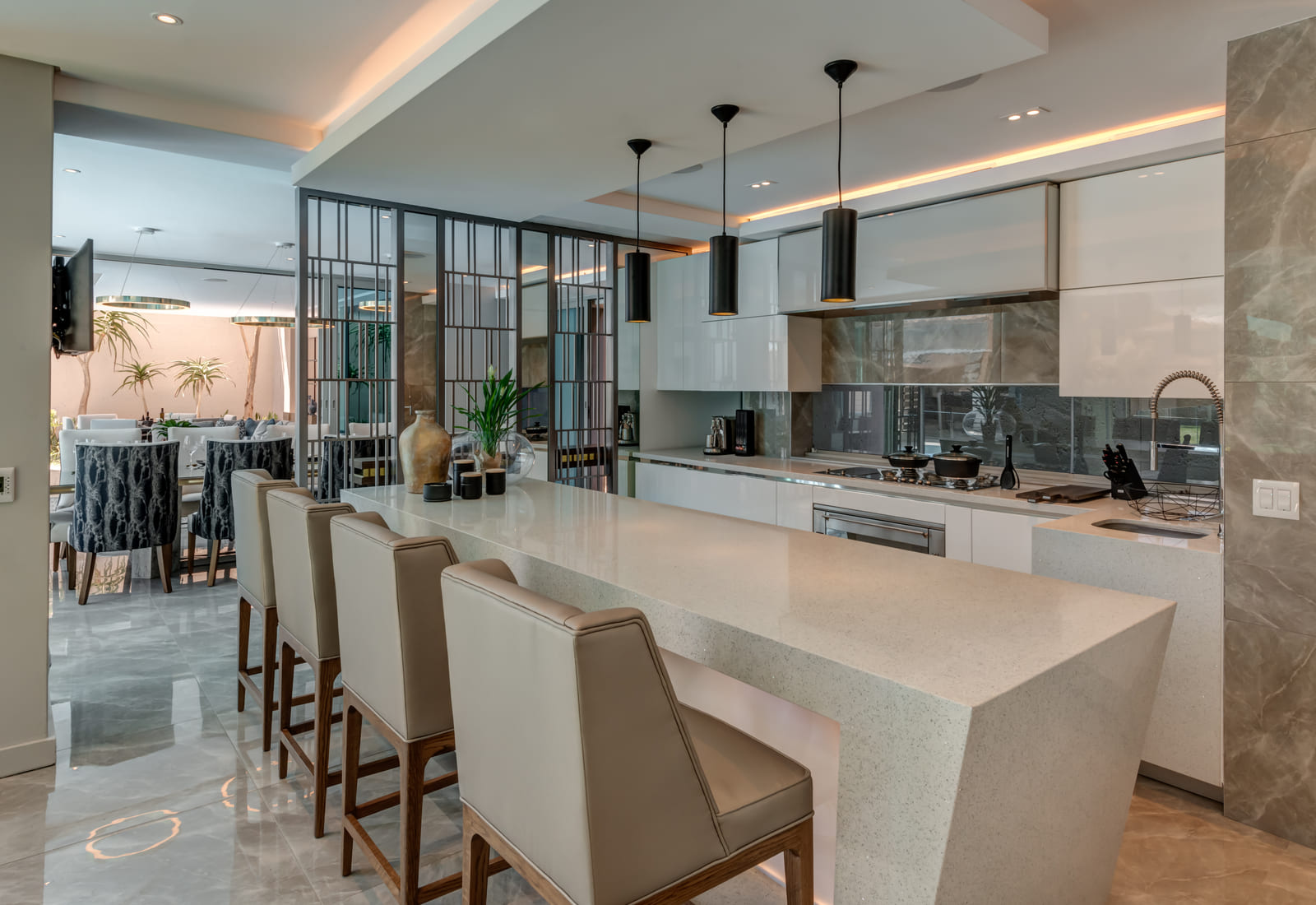
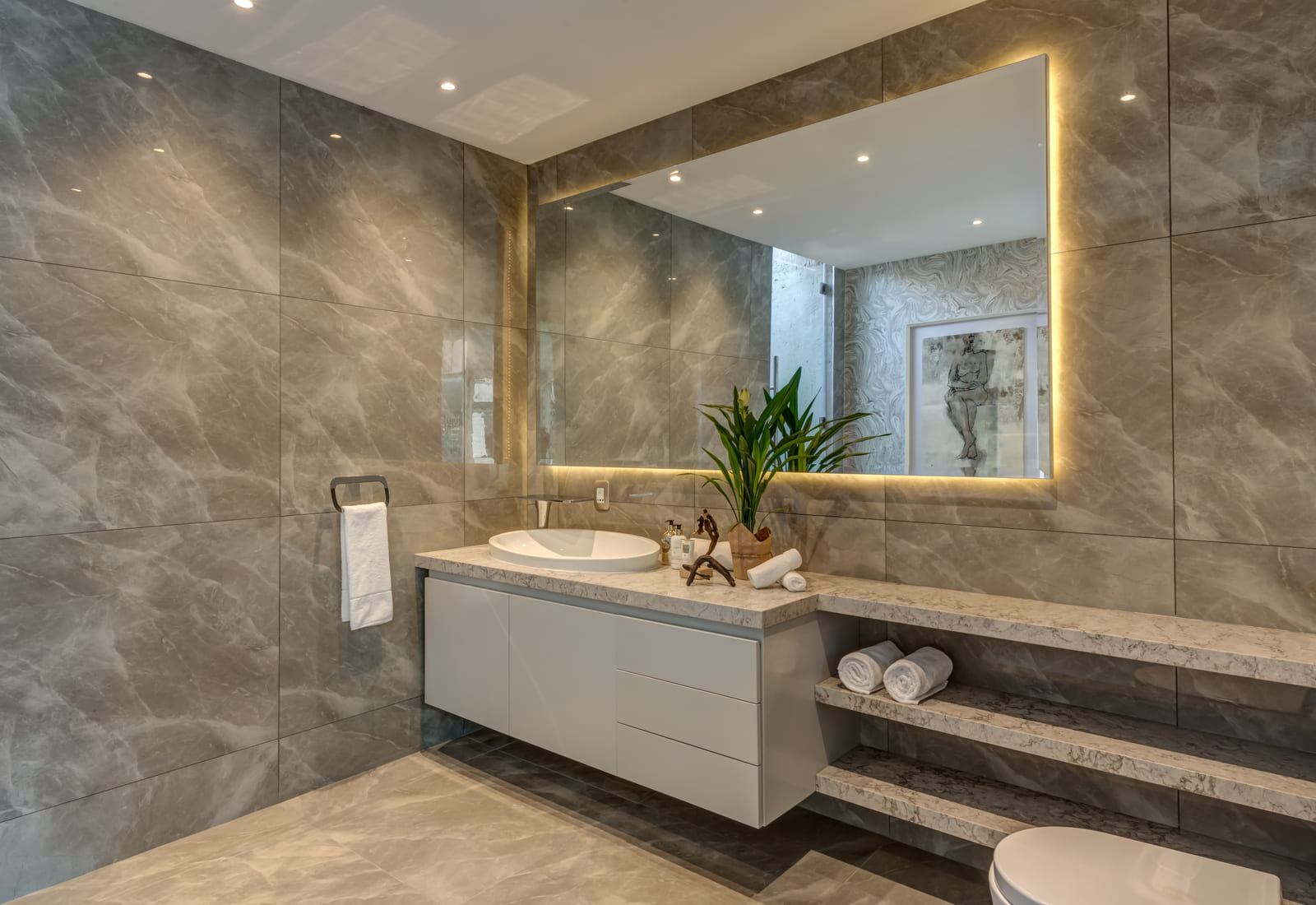
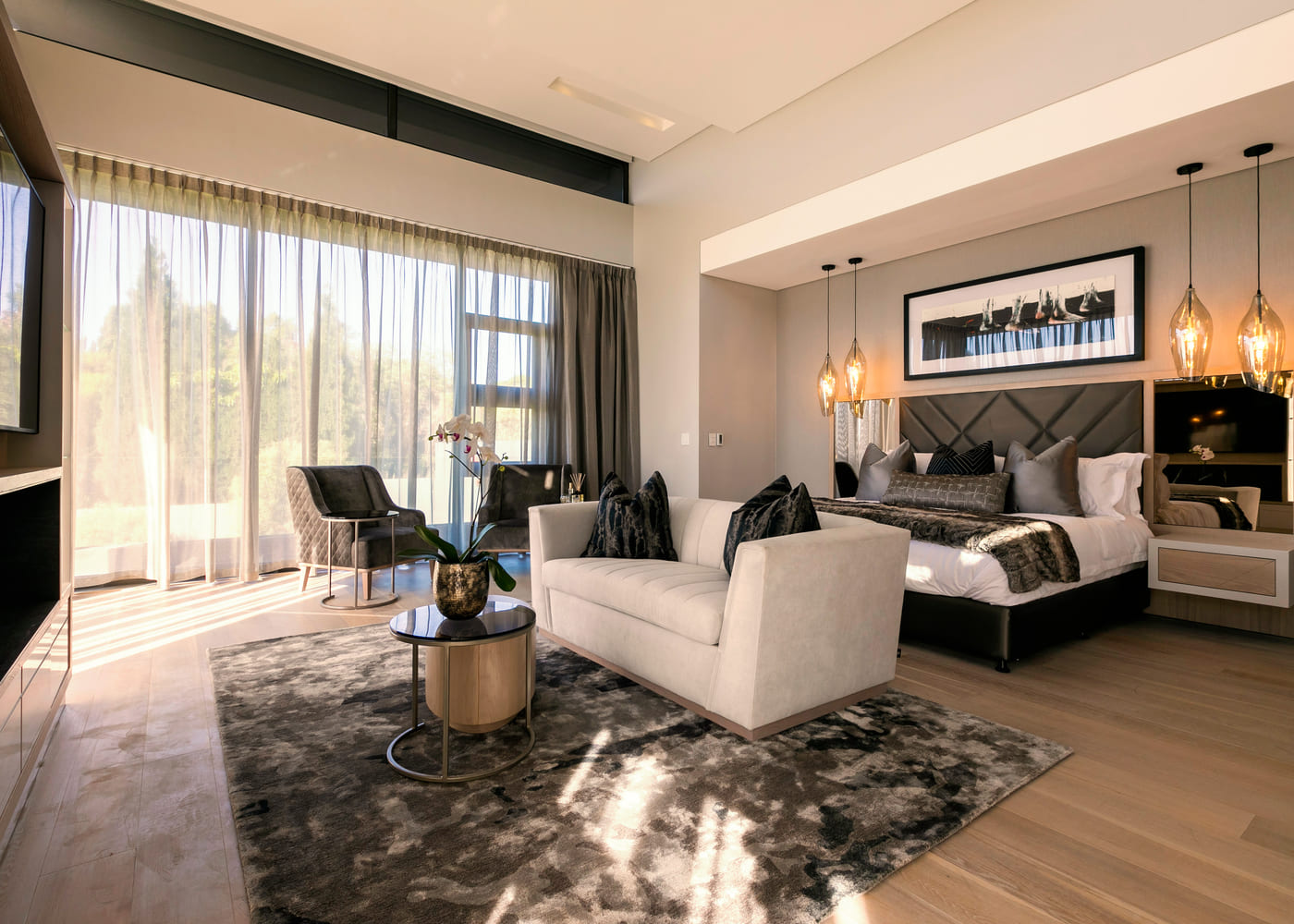
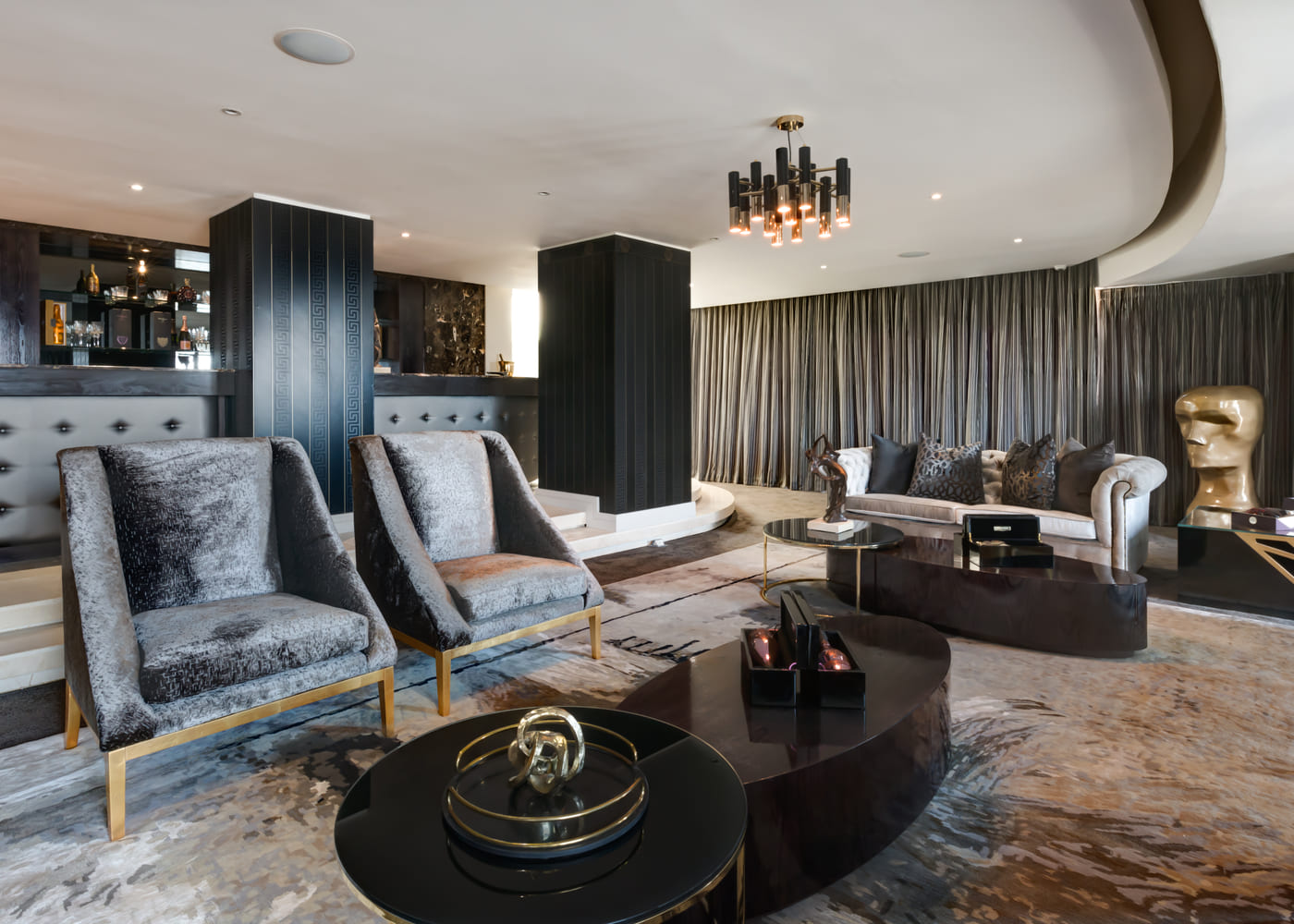
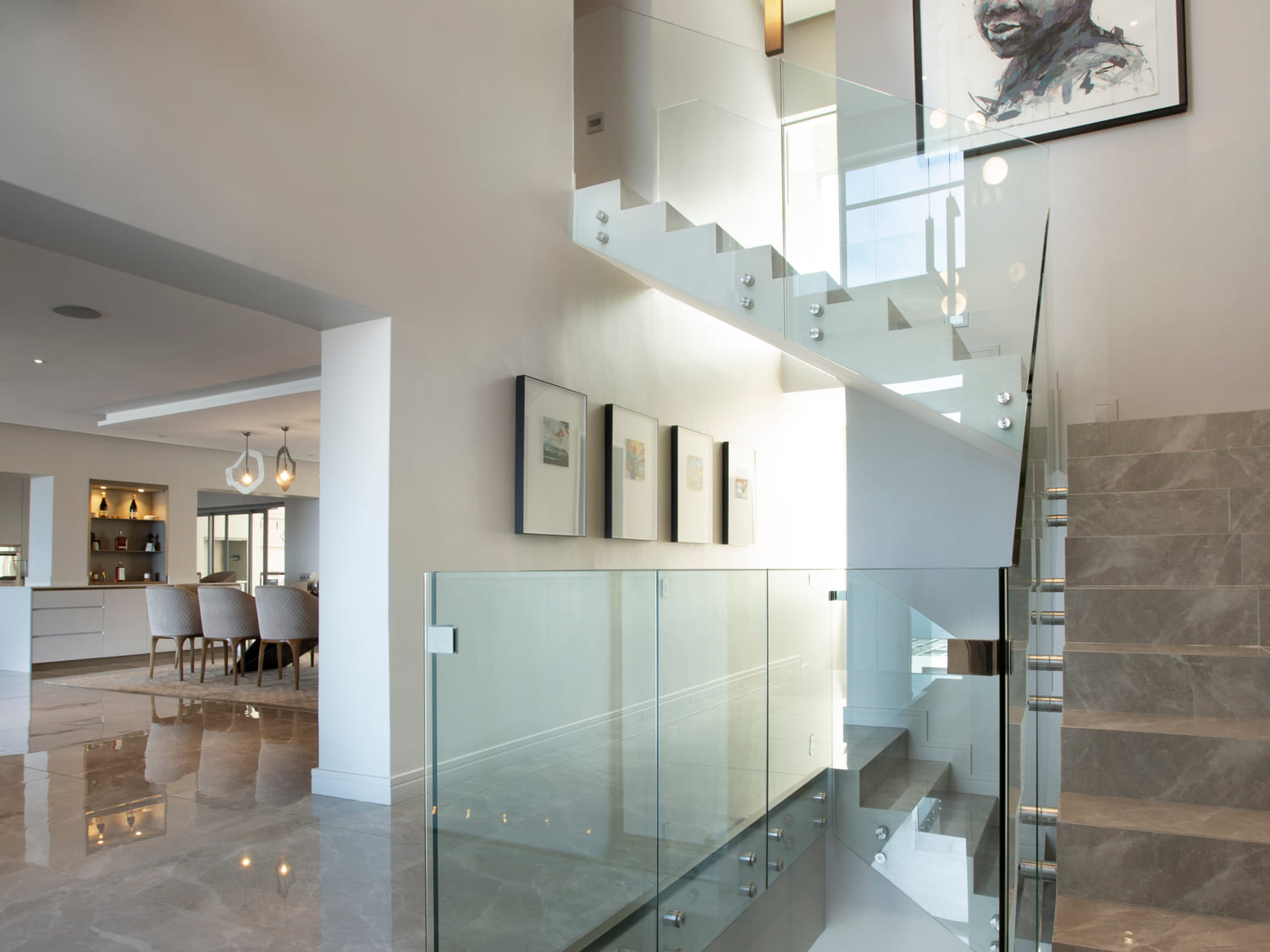
Rooms from the portfolio
Common questions
- What kinds of commercial spaces do you work on?
- Offices, hospitality and customer-facing environments where the space has to support how a team works and reflect what the business stands for. Completed work is the Aspire Offices turnkey project in Cape Town and a five-star lodge refurbishment in Botswana.
- Is the studio primarily commercial or residential?
- Residential. Commercial work is taken selectively rather than at volume, which is deliberate: it is what allows Wanda to stay personally involved on every project rather than handing it to a team.
- Can you work around an operating business?
- Yes. Phasing, out-of-hours installation and staged handover are all part of normal commercial planning, and are agreed with you and the contractor before work starts.
- Do you work with our architect or contractor?
- Yes. On commercial projects the studio usually sits alongside an existing professional team, and takes responsibility for the interior specification, procurement and site quality control within that.
- How is a commercial brief different from a residential one?
- It starts from how people move through and use the space during a working day, then layers the brand on top. Durability and maintenance carry more weight in the specification than they do in a home.
Also part of the studio
Start with a conversation about the space.
A no-obligation consultation with Wanda Michelle. We walk through scope, timelines and budget before anything is designed.